Who Actually Needs a Consular Visa
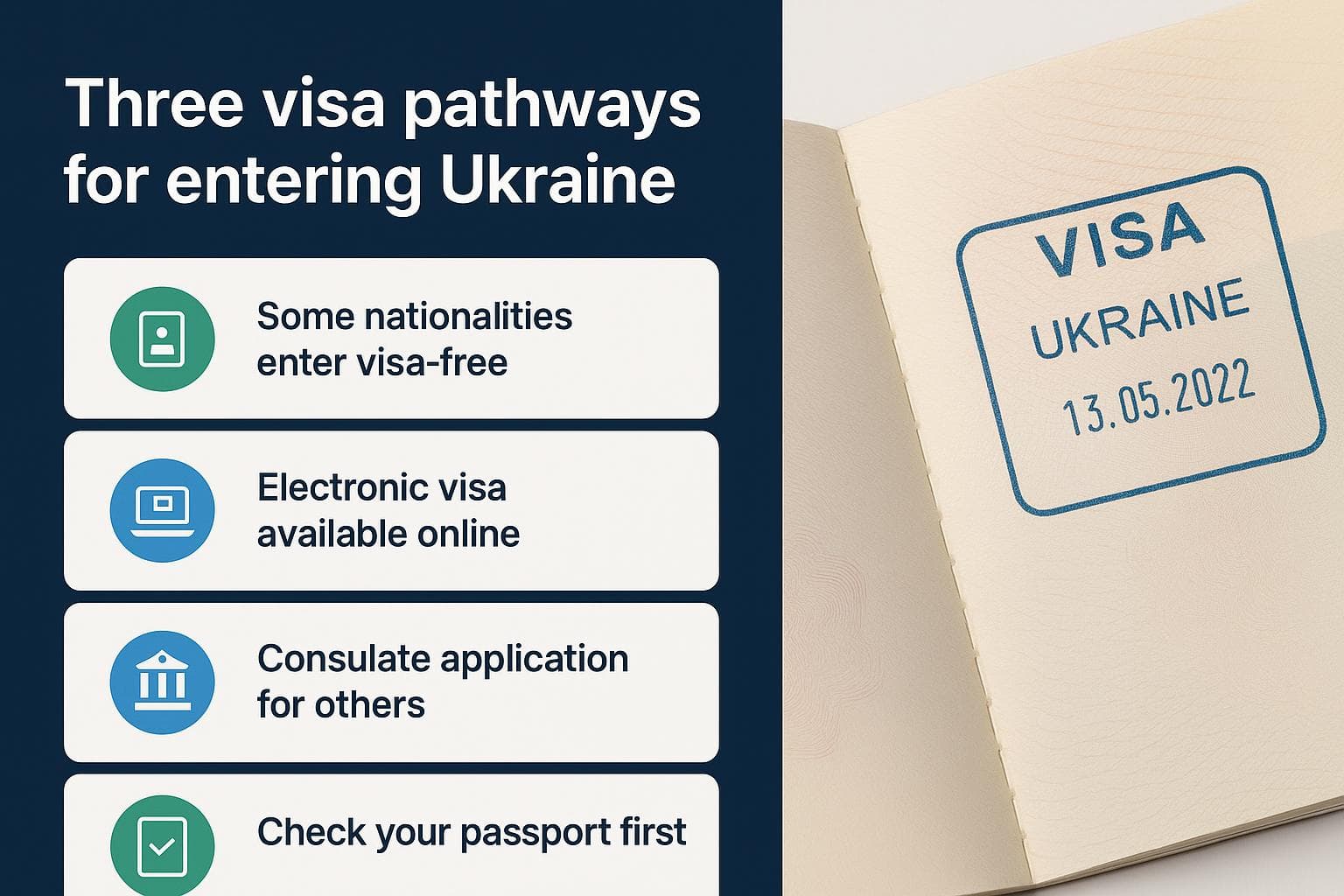
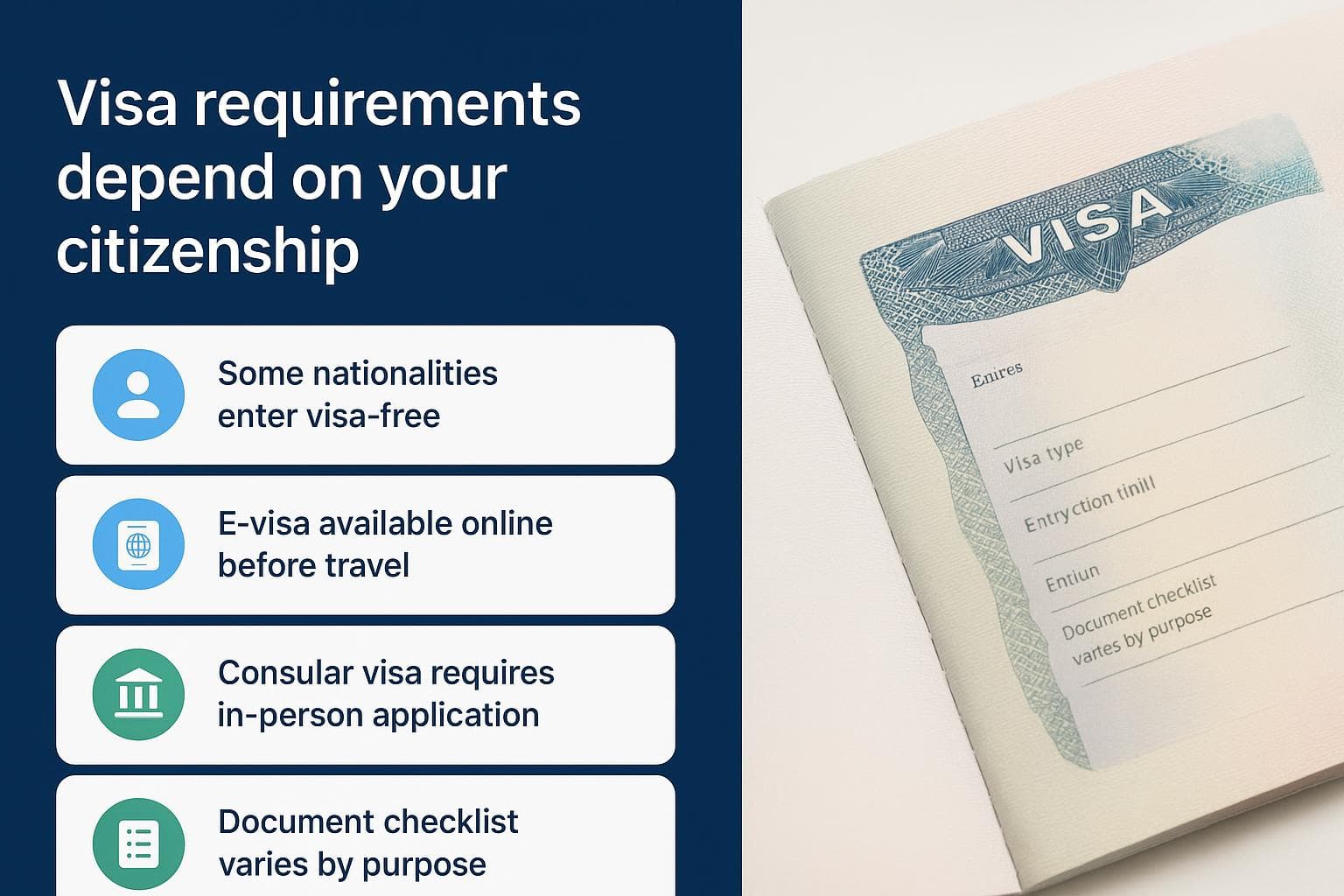
Before you book an appointment at an embassy, it's worth checking whether you even need a consular visa in the first place. For many travellers there's a cheaper and faster route — visa-free entry or an electronic visa. A consular visa becomes necessary only when none of the simpler options fit.
The logic is straightforward:
- Visa-free entry. If your country has a visa-free agreement with Ukraine, you don't need a visa at all for short trips. The 90/180 stay rule applies here.
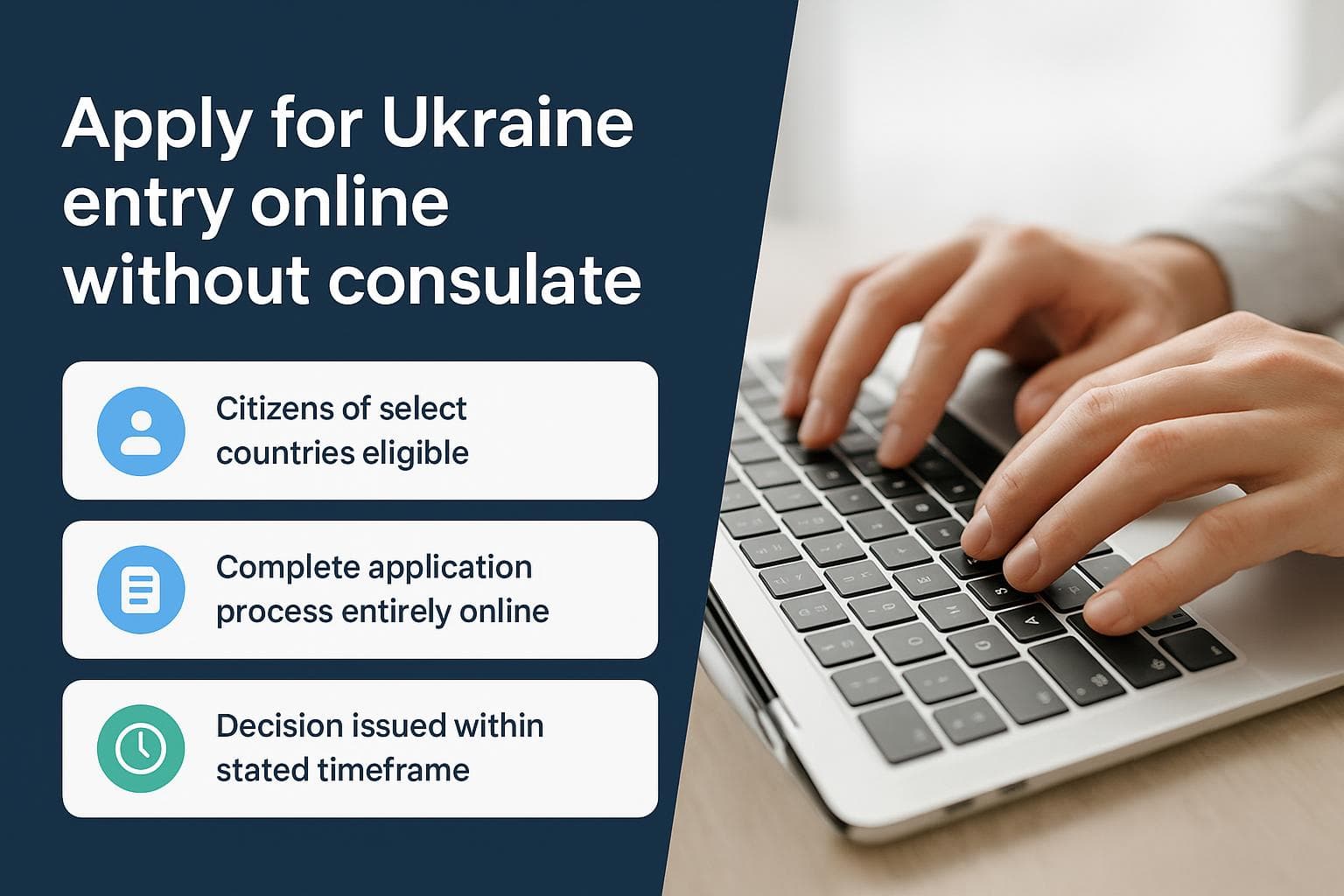
- Electronic visa (e-Visa). Some countries without visa-free access can apply online without visiting a consulate. You'll find the details and the list of eligible countries in our guide to the Ukraine e-Visa.
- Consular visa. If your country is on neither the visa-free list nor the e-Visa eligibility list, or if the purpose of your trip isn't covered by an electronic visa (for example, long-term stays, employment, study or family reunification), then the only route is to apply directly at a Ukrainian diplomatic mission.
In other words, the consular visa isn't an "outdated" option — it's a separate channel for the cases where the automated routes simply aren't available.
Visa Types: C vs D
The most common source of confusion for travellers is the difference between a short-stay and a long-stay visa. These are two distinct documents with different purposes.
Type C — short-stay
Designed for trips of up to 90 days within a 180-day period. This covers tourism, visits to friends and family, short business trips, attending conferences and transit. A type C visa does not grant the right to reside long-term or to work.
Type D — long-stay
Opens the door to stays of more than 90 days and usually serves as the basis for applying, once you're in Ukraine, for a temporary or permanent residence permit. Typical grounds include employment, study, family reunification, religious activity, volunteering with registered organisations and running a business.
One important point: a business trip doesn't automatically mean a type D visa. A short assignment for negotiations or a trade fair can be covered by a type C visa, whereas a long-term contract with a Ukrainian employer requires a type D visa together with a work permit. So match the purpose of your trip to the length of stay, not simply to the label "business".
Where to Apply
Consular visas are issued exclusively at Ukrainian diplomatic missions — embassies and consulates abroad. There is no single central portal for consular visas; each mission has its own appointment schedule, booking requirements and, in some cases, serves only specific regions.
To find the mission that serves your country of residence:
- Go to the official website of the Ministry of Foreign Affairs of Ukraine — mfa.gov.ua.
- Use the directory of foreign diplomatic missions (the "Embassies and Consulates" section).
- Select the mission for your country of residence — its page holds the current requirements, contacts and appointment procedure.
Don't rely on third-party visa agencies as your source of rules: the definitive requirements, fees and timelines are published only by the consular mission on its official website.
Which Documents to Prepare
The basic checklist for most categories looks like this (an individual mission may add requirements depending on the visa type and purpose):
- A completed visa application form in the prescribed format.
- A passport, generally valid for at least several months beyond the end of your trip, with blank pages.
- A photograph meeting the mission's requirements.
- Documents confirming the purpose of your trip — an invitation, contract, letter from an employer or educational institution, booking confirmation and so on (depending on the visa type).
- Proof of sufficient funds for the duration of your stay.
- Proof of accommodation in Ukraine.
- A health insurance policy valid on Ukrainian territory for the entire trip — this is a mandatory requirement for entry.
- A receipt for payment of the consular fee.
About mandatory health insurance
Health insurance isn't a formality but a condition of entry, and it's checked both when you submit your documents and at the border. The policy must cover the full duration of your stay in Ukraine.
Pay particular attention to the territorial exclusions that insurers apply because of the security situation. In most policies, cover does not apply in four categories of zones:
- combat zones as defined by state acts;
- temporarily occupied territories;
- a 50-kilometre buffer strip around the first two;
- areas under a special-access regime.
If your route runs close to these zones or your trip involves elevated risk, look for a policy with war-risk cover. On the market, such options start from a few euros a day, and you can calculate the exact price for your dates and route on the insurance quote page. The policy document will be one of the mandatory attachments to your visa application.
Fees and Processing Times
There's one firm rule here: don't rely on the amounts and timelines quoted on forums or by agencies. The consular fee and processing time depend on the visa type, the number of entries and the specific mission, and the official figures are published only by the MFA.
For current information on fees and processing times, check the consular pages at mfa.gov.ua — specifically the page of the mission where you're submitting your application. The fee rates and any cases eligible for expedited processing or fee waivers are updated by each mission itself.
Step-by-Step Procedure
- Check whether visa-free entry or an e-Visa works for you — it's faster and cheaper.
- If not, determine the visa type you need (C or D) based on the purpose and length of your trip.
- Find the mission serving your country using the directory on mfa.gov.ua.
- Read that mission's requirements carefully — they take priority.
- Assemble the complete document package, including a valid health insurance policy.
- Book an appointment and submit your application.
- Wait for a decision within the timeframe stated by the mission.
In Short
A consular visa is the route for those who can't use visa-free entry or the e-Visa. The key points: correctly identify the type (C for short trips, D for long stays), submit your documents to the mission serving your country, and don't forget the mandatory health insurance. Take all figures on fees and timelines only from the official MFA consular pages.