The Short Answer
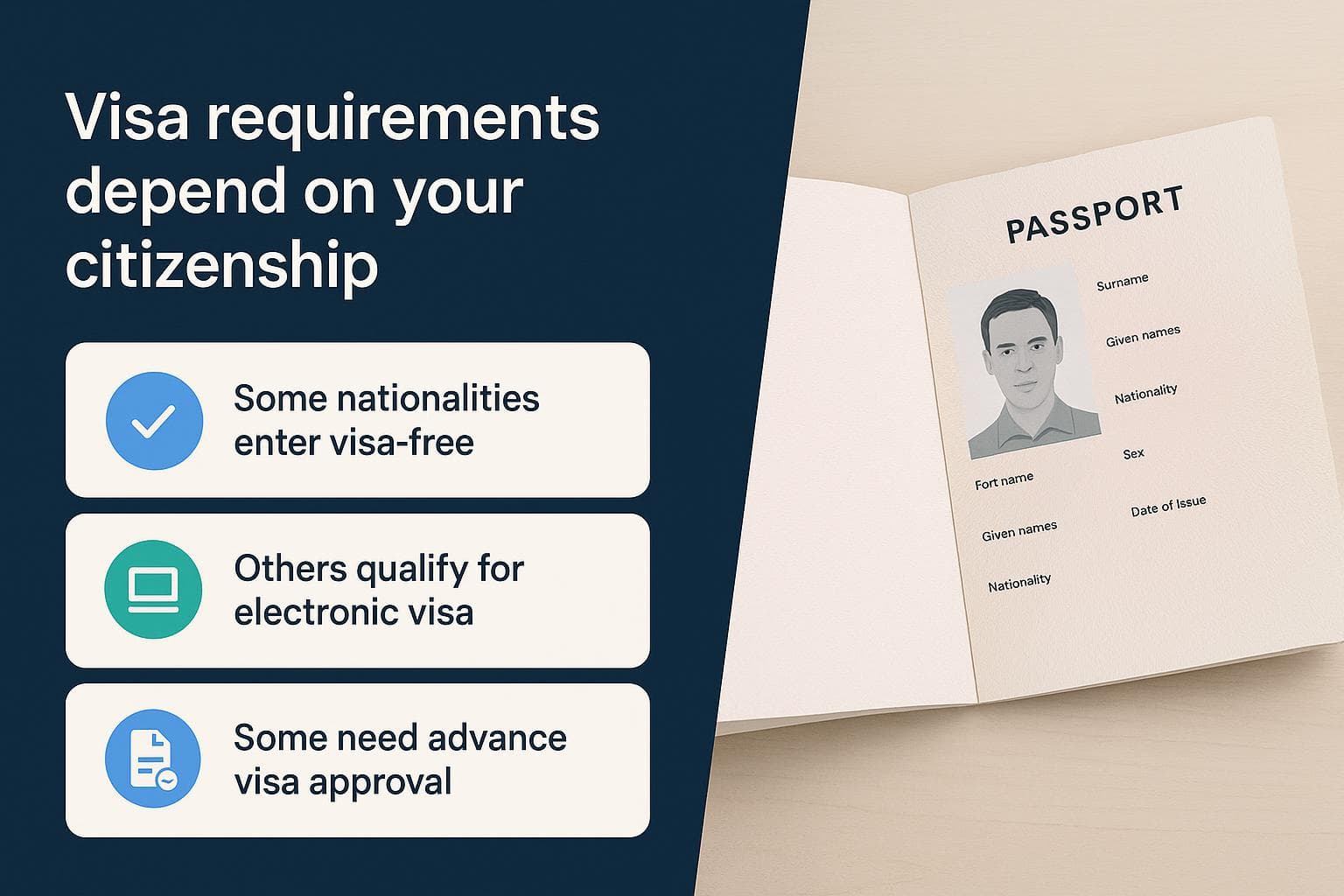
Whether you need a visa to enter Ukraine in 2026 depends entirely on the nationality of your passport, along with the length and purpose of your trip. Nationals of many countries don't need a visa for short stays; others can apply for an electronic visa (e-Visa); and some must obtain a standard visa from an embassy or consulate in advance.
There's one thing worth keeping in mind: no blog post is a substitute for an official source. Country lists are updated from time to time, so always check your specific situation on the websites of Ukraine's Ministry of Foreign Affairs and the State Border Guard Service (links below).
The Three Categories — Which One Applies to You
For visa purposes, foreign nationals broadly fall into three groups.
1. Visa-free entry (short stays). Nationals of a number of countries may enter without a visa for a limited period — typically up to 90 days within any 180-day window. This traditionally includes citizens of EU member states, the United Kingdom, the United States, Canada, and a range of other countries. Visa-free entry covers tourism, business, or private visits — but not long-term work or study.
2. Electronic visa (e-Visa). Nationals of certain countries can apply for an e-Visa online through the official portal. It's a convenient option for short-term tourist and business trips, with no need to visit a consulate. You apply in advance and receive the decision electronically.
3. Standard consular visa. If your country isn't covered by visa-free entry and the e-Visa isn't available for it, you'll need to apply at a Ukrainian diplomatic mission abroad. The same applies to any long-term stay — study, work, family reunification — regardless of your nationality.
To find out which group your passport falls into, use the official list published by the Ministry of Foreign Affairs — you'll find its address in the "Where to Check Officially" section.
Who Enters Without a Visa, and for How Long
Visa-free doesn't mean indefinitely. The standard rule for most visa-free travellers is a stay of up to 90 days within each 180-day period. Overstaying without the appropriate permit is a violation and can lead to a fine and difficulties with future entries.
If you plan to stay longer — for work, study, or an extended family visit — visa-free entry isn't enough. You'll need a long-term type D visa and, once in Ukraine, a residence permit.
Documents to Carry at the Border
Whether or not you need a visa, a border officer may ask you to confirm the purpose and conditions of your trip. Prepare the following in advance:
- A passport valid for the entire duration of your stay (check the expiry date — an expired passport won't be accepted).
- A visa or e-Visa, if one is required for your nationality.
- Proof of the purpose of your trip — accommodation booking, an invitation, or documents relating to work or study.
- Proof of sufficient funds for the length of your stay.
- A return or onward ticket (if you have one).
- An insurance policy. Medical insurance is advisable, and under martial law, separate war-risk coverage is strongly recommended for anyone entering Ukraine.
On insurance: policies on the market cost in the range of a few euros per day, and war-risk coverage can be arranged online in just a few minutes — get a policy quote. Keep in mind that such policies come with territorial exclusions, and coverage does not apply in four categories of zones: combat areas designated by state acts; temporarily occupied territories; a 50-kilometre buffer strip around both; and areas under a special access regime. Always check the exact terms and current price on the quote page.
Who Makes the Final Entry Decision
Even with all your documents in order, the final decision on admission at the border rests with an officer of the State Border Guard Service. Visa-free status or a valid visa gives you the right to apply for entry — not an automatic guarantee. An officer may refuse entry if, for example, the purpose of the trip isn't confirmed, funds are insufficient, or other lawful grounds apply.
To avoid problems: keep your documents to hand, answer questions clearly and truthfully, and don't overstay your permitted period.
Step by Step, If You Do Need a Visa
- Check your status on the official Ministry of Foreign Affairs list by nationality.
- Identify the visa type — short-stay (C), long-stay (D), or e-Visa — depending on the purpose and length of your trip.
- If the e-Visa is available, apply through Ukraine's official electronic visa portal, upload the required documents, and await a decision.
- If you need a standard visa, book an appointment at the nearest Ukrainian embassy or consulate, prepare your document package, and submit it well in advance, allowing time for processing.
- Arrange insurance, including war-risk coverage, before you travel.
- Gather your border documents from the checklist above.
Where to Check Officially
- The Ministry of Foreign Affairs of Ukraine (mfa.gov.ua) — up-to-date lists of visa-free countries, visa requirements, and entry conditions.
- Ukraine's electronic visa portal (evisa.mfa.gov.ua) — online e-Visa applications and the list of eligible countries.
- The State Border Guard Service of Ukraine (dpsu.gov.ua) — border-crossing rules, checkpoint operating hours, and requirements at the border.
Since visa rules and country lists can change, never rely solely on articles or forums — the definitive answer for 2026 comes only from the official source for your nationality.